
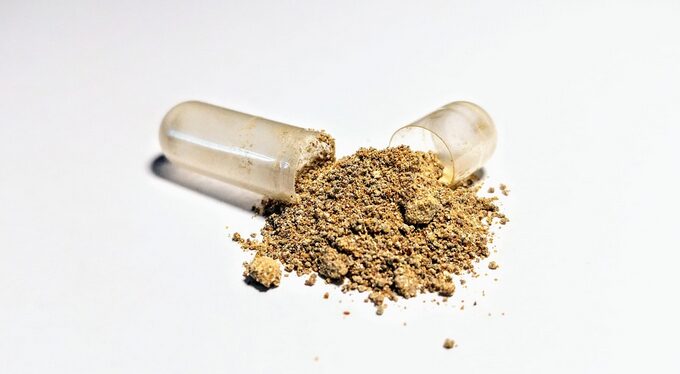
In today’s fast-paced world, stress and sleep issues have become common challenges for many people. Long working hours, constant digital engagement, and emotional pressure often leave the body in a constant state of tension. Ashwagandha, an ancient herb rooted in Ayurvedic medicine, has recently gained attention for its ability to help balance stress hormones and improve rest. For a deeper understanding of how quickly its effects develop, you can refer to this article on ashwagandha timelines, which explains how consistent use over several weeks can lead to noticeable improvements. It offers a natural way to restore calm, energy, and balance without dependency. Understanding how this herb works provides insight into how simple, consistent habits can lead to lasting wellness.
Understanding Cortisol and Its Impact
Cortisol, often called the stress hormone, plays a crucial role in regulating energy, metabolism, and immune response. When stress becomes chronic, cortisol levels stay elevated, causing fatigue, irritability, and poor sleep. Over time, this imbalance can lead to anxiety, weight changes, and hormonal disruption. The body’s natural rhythm, where cortisol peaks in the morning and drops at night, gets disturbed. This imbalance makes it harder to relax and fall asleep. Maintaining stable cortisol levels is essential for overall health, and that’s where Ashwagandha comes in.
Balancing Cortisol

Ashwagandha functions as an adaptogen, meaning it helps the body adapt to physical and emotional stress. Its active compounds, known as withanolides, work by supporting the adrenal glands, which are responsible for producing cortisol. When cortisol spikes due to stress, Ashwagandha helps regulate its release, keeping it within a healthy range. This process promotes steadier energy during the day and deeper rest at night. Research has shown that regular Ashwagandha intake can reduce cortisol levels significantly, leading to lower stress perception and greater mental clarity.
Supporting the Body’s Stress Response
When the body experiences stress, it activates the “fight or flight” response, flooding the system with stress hormones. While this reaction helps in emergencies, frequent activation can cause burnout and sleeplessness. Ashwagandha helps modulate this stress response, allowing the body to return to balance more quickly. It promotes calmness without causing drowsiness. People who use it consistently often report feeling more grounded, alert, and emotionally stable. This balance allows the nervous system to function efficiently, reducing anxiety that often disrupts sleep patterns.
Knowing the Connection Between Cortisol and Sleep

High cortisol levels at night can make it difficult to fall asleep, as the body remains alert instead of winding down. A healthy sleep cycle depends on low nighttime cortisol, which allows the brain to release melatonin, the hormone that triggers sleep. By helping regulate cortisol production, Ashwagandha encourages this natural rhythm to return. With time, users notice improved sleep quality, fewer awakenings, and a refreshed feeling upon waking. Proper sleep, in turn, further stabilizes cortisol, creating a reinforcing cycle of recovery and balance.
Improving Sleep Quality Naturally
Ashwagandha not only supports hormone balance but also directly enhances relaxation. Its compounds help calm overactive nerves and reduce the physical symptoms of stress. This gentle effect prepares the body for deeper, more restorative sleep. Some studies suggest that Ashwagandha may increase total sleep time and improve sleep efficiency. Unlike synthetic sleep aids, it doesn’t induce heavy sedation or dependency. Instead, it trains the body to rest naturally. Pairing it with mindful habits such as reducing caffeine and maintaining consistent bedtime routines enhances its benefits.
Considering Safe and Effective Usage
Ashwagandha is available in several forms, including capsules, powders, and teas. It’s generally safe when taken within recommended doses, but quality matters. Choosing standardized extracts ensures the right concentration of active compounds. Most people begin noticing changes within two to four weeks of regular use. It’s best taken in the evening for sleep support or in the morning for stress management, depending on personal needs. Consulting a healthcare professional before starting any supplement is always advised, especially for those with medical conditions or ongoing treatments.
Ashwagandha offers a gentle yet powerful solution for modern-day stress and sleep struggles. Balancing cortisol and calming the nervous system helps the body restore its natural rhythm. Unlike quick fixes, it supports long-term harmony between mind and body. Regular use encourages better focus, more stable energy, and restful nights. It’s a reminder that nature often holds the answers to our most common challenges. With patience, consistency, and self-care, this ancient herb can help you reclaim calmness and restful sleep with utmost simplicity.

 In addition to calcium and vitamin D, your bones require testosterone, and your bones can convert testosterone into the nutrients they need to remain strong. If we do not maintain adequate testosterone levels during our prime years, we may develop osteoporosis later in life! Testosterone boosters have been demonstrated in studies to enhance bone mineral density while also increasing muscular mass.
 Have you ever felt drained or uninspired to go to the gym? Even if today is designated to be an exciting day. That’s a cause for concern. If your testosterone levels are low, it’s more probable that whatever exercise you do will deplete your energy. Even the mere thought of going to the gym might swiftly demotivate you.



 If you currently have an excellent
  There are a few simple steps to take care of a wound, but it depends on whether the puppy is bleeding. If it is bleeding, you need to treat it. If the wound is small, you can use a gauze square, but use a towel if it’s big. The wound is still not clean, and it’s not a problem if you use something from home. Stop acute bleeding. It probably won’t do any good to put pressure on this particular wound, as it will likely continue to bleed. Go to your first aid kit and grab a pair of tweezers, poke the wound and then grab the tip of the container and close it with a pair of tweezers.
 “Road rash” will be much bigger and may sound worse, but it is excellent. You can use betadine in this first aid kit to rub the wound, but you can use tap water to clean it, use the large syringe in the first aid kit. This is not a regular bandage with duct tape and a list of rubbers. You put a little KY over the wound to keep some hair from falling out and then add your temporary bandage. Just pay for it, so it doesn’t get dirtier as you work on it. Cut off any very long hairs around the wound and pick them up so the damage doesn’t get dirty. Clean your hands to remove all the hairs before you finish the job.