
Moves in Fitness Health The Ultimate Guide to Preventing Gum Recession: Tips for Strong and Healthy Gums

The Ultimate Guide to Preventing Gum Recession: Tips for Strong and Healthy Gums

The Ultimate Guide to Preventing Gum Recession: Tips for Strong and Healthy Gums post thumbnail image

Are your gums feeling a little sensitive lately? Do you notice that they are starting to recede, leaving your teeth exposed and vulnerable? Don’t fret! We’ve got the ultimate guide to preventing gum recession right here. Strong and healthy gums are not only essential for a dazzling smile but also play a crucial role in maintaining overall oral health. So, let’s dive into some tips and techniques that will help keep those gums in tip-top shape. You can read more for insights to help you decide on the best North Stony Dental in Stony Plain and ensure your gum health is in expert hands.

Proper Oral Hygiene

brushing Maintaining proper oral hygiene is fundamental to preventing gum recession. Regular brushing, preferably with a soft-bristled toothbrush, twice a day is essential. Use gentle, circular motions to clean all surfaces of your teeth and gums. Don’t forget to brush along the gumline to remove plaque and bacteria. Flossing daily helps remove plaque and debris from between the teeth and along the gumline. Incorporating an antimicrobial mouthwash into your routine can further help control bacteria and promote gum health.

Gentle Brushing Techniques

While brushing regularly is important, it is equally crucial to adopt gentle brushing techniques. Aggressive brushing can contribute to gum recession by causing trauma to the delicate gum tissue. Use a soft-bristled toothbrush and avoid applying excessive pressure. Instead of a back-and-forth motion, use small, circular motions to clean your teeth and gums.

Quit Smoking

cigarette Smoking is harmful to overall health, including oral health. It is a significant risk factor for gum disease, which can contribute to gum recession. Smoking weakens the immune system and restricts blood flow to the gums, impairing their ability to heal and fight off infections. Quitting smoking is crucial for preventing gum recession and improving overall gum health. Seek support from healthcare professionals, join cessation programs, or explore nicotine replacement therapies to kick the habit. Your gums will thank you.

Regular Dental Check-Ups

Regular dental check-ups are essential for preventing gum recession. Dental professionals can detect early signs of gum disease or gum recession and provide appropriate treatment before the condition worsens. They can also offer guidance on proper oral hygiene techniques specific to your needs. Professional dental cleanings remove plaque and tartar buildup, reducing the risk of gum disease.

Preventing gum recession requires a proactive approach towards maintaining oral health. By practicing proper oral hygiene with gentle brushing techniques, quitting smoking, and attending regular dental check-ups, you can significantly reduce the risk of gum recession and keep your gums strong and healthy.

Related Post

Female Frigidity 1

A Short Guide to Female Frigidity and Its Natural TreatmentA Short Guide to Female Frigidity and Its Natural Treatment

Lack of sexual desire could occur not only in men but also in women. Frigidity and anorgasmia are popularly referred to as primary and could be resolved simply by a means associated with psychotherapy. Additionally, it can be seen after a period of appetite understanding, this is sometimes secondary to anorgasmia and frigidity. You can learn more about female frigidity at Missions Sante.

Female Frigidity

Sex can become painful, perceived as a chore, with indifference, or as sexual pleasure in which the understanding is not genital. The disorder may be secondary or primary, as well as permanent, conspicuous, or situational. The absence of orgasm may also be ever-present or secondary to the pain of repeated intercourse.

Treatment of Female Frigidity and Anorgasmia

If you are simply experiencing long-term gross anorgasmia, this treatment will do something. Anorgasmia, even if it lasts a long time, may be controlling secondary frigidity, as the woman gradually loses pleasure each time she doesn’t have it. Rediscovering orgasmic pleasure will give you the desire to provide reviews, as well as treating anorgasmia will also remedy secondary frigidity.

Why use toxic compounds or dangerous drugs when you can use natural herbs that do the same element? Traditionally, people use nature’s ability to relieve any pain. You can use plants and herbs to treat sexual appetite. If you want to make teas, choose organic products. Otherwise, there are medications on the herbal market that have no side effects and are widely offered.

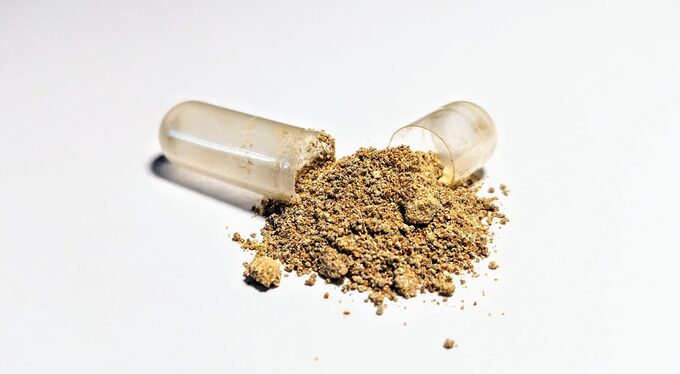
Natural formulas usually consist of herbal capsules for women that work effectively to eliminate female sexual disorders and increase sexual desire by promoting blood flow to the vaginal area. This process is achieved by focusing on the significant hormones that have testosterone and estrogen. Men have always produced to resist their sexual appetite while women had no effective solutions to make their problems go away.

The Importance of Herbal Medicines for Coping With Female Frigidity

More and more women are suffering from frigidity, which is explained by the modern fashion of existence. Women have many responsibilities at the same time; their families, their businesses, their husbands. Excessive stress has become the most important reason for women’s reduced sexual desire because female sexuality is closely related to emotional illness. Fortunately, there are medicinal herbs that combat these deficiencies. Their main advantage remains that they are 100% protected and inexpensive.

Due to the complexity that characterizes herbal medicines, because of the different combinations of substances and active ingredients associated with them, there can be abrupt or unwanted consequences when combined with traditional medicines. It is very important to be aware of the likely interactions of the herbs you take. For this reason, it is best to do your herbal education with qualified professionals.

The value of medicinal plants in preventing and treating ailments and herbal medicine is recognized by consensus. However, the curative potential of tens of thousands of plants, especially in remote areas of the world, is far from established and suffers from a lack of education. The opportunities are truly endless.

ashwagandha

The Role of Ashwagandha in Balancing Cortisol and Improving Sleep QualityThe Role of Ashwagandha in Balancing Cortisol and Improving Sleep Quality

In today’s fast-paced world, stress and sleep issues have become common challenges for many people. Long working hours, constant digital engagement, and emotional pressure often leave the body in a constant state of tension. Ashwagandha, an ancient herb rooted in Ayurvedic medicine, has recently gained attention for its ability to help balance stress hormones and improve rest. For a deeper understanding of how quickly its effects develop, you can refer to this article on ashwagandha timelines, which explains how consistent use over several weeks can lead to noticeable improvements. It offers a natural way to restore calm, energy, and balance without dependency. Understanding how this herb works provides insight into how simple, consistent habits can lead to lasting wellness.

Understanding Cortisol and Its Impact

Cortisol, often called the stress hormone, plays a crucial role in regulating energy, metabolism, and immune response. When stress becomes chronic, cortisol levels stay elevated, causing fatigue, irritability, and poor sleep. Over time, this imbalance can lead to anxiety, weight changes, and hormonal disruption. The body’s natural rhythm, where cortisol peaks in the morning and drops at night, gets disturbed. This imbalance makes it harder to relax and fall asleep. Maintaining stable cortisol levels is essential for overall health, and that’s where Ashwagandha comes in.

Balancing Cortisol

stressed man

Ashwagandha functions as an adaptogen, meaning it helps the body adapt to physical and emotional stress. Its active compounds, known as withanolides, work by supporting the adrenal glands, which are responsible for producing cortisol. When cortisol spikes due to stress, Ashwagandha helps regulate its release, keeping it within a healthy range. This process promotes steadier energy during the day and deeper rest at night. Research has shown that regular Ashwagandha intake can reduce cortisol levels significantly, leading to lower stress perception and greater mental clarity.

Supporting the Body’s Stress Response

When the body experiences stress, it activates the “fight or flight” response, flooding the system with stress hormones. While this reaction helps in emergencies, frequent activation can cause burnout and sleeplessness. Ashwagandha helps modulate this stress response, allowing the body to return to balance more quickly. It promotes calmness without causing drowsiness. People who use it consistently often report feeling more grounded, alert, and emotionally stable. This balance allows the nervous system to function efficiently, reducing anxiety that often disrupts sleep patterns.

Knowing the Connection Between Cortisol and Sleep

sleep

High cortisol levels at night can make it difficult to fall asleep, as the body remains alert instead of winding down. A healthy sleep cycle depends on low nighttime cortisol, which allows the brain to release melatonin, the hormone that triggers sleep. By helping regulate cortisol production, Ashwagandha encourages this natural rhythm to return. With time, users notice improved sleep quality, fewer awakenings, and a refreshed feeling upon waking. Proper sleep, in turn, further stabilizes cortisol, creating a reinforcing cycle of recovery and balance.

Improving Sleep Quality Naturally

Ashwagandha not only supports hormone balance but also directly enhances relaxation. Its compounds help calm overactive nerves and reduce the physical symptoms of stress. This gentle effect prepares the body for deeper, more restorative sleep. Some studies suggest that Ashwagandha may increase total sleep time and improve sleep efficiency. Unlike synthetic sleep aids, it doesn’t induce heavy sedation or dependency. Instead, it trains the body to rest naturally. Pairing it with mindful habits such as reducing caffeine and maintaining consistent bedtime routines enhances its benefits.

Considering Safe and Effective Usage

Ashwagandha is available in several forms, including capsules, powders, and teas. It’s generally safe when taken within recommended doses, but quality matters. Choosing standardized extracts ensures the right concentration of active compounds. Most people begin noticing changes within two to four weeks of regular use. It’s best taken in the evening for sleep support or in the morning for stress management, depending on personal needs. Consulting a healthcare professional before starting any supplement is always advised, especially for those with medical conditions or ongoing treatments.

Ashwagandha offers a gentle yet powerful solution for modern-day stress and sleep struggles. Balancing cortisol and calming the nervous system helps the body restore its natural rhythm. Unlike quick fixes, it supports long-term harmony between mind and body. Regular use encourages better focus, more stable energy, and restful nights. It’s a reminder that nature often holds the answers to our most common challenges. With patience, consistency, and self-care, this ancient herb can help you reclaim calmness and restful sleep with utmost simplicity.

Medical Negligence

All You Need to Know About Medical MalpracticeAll You Need to Know About Medical Malpractice

At the highest level, the estimated range of medical malpractice incidents nationwide is over one million per year; approximately 85,000 malpractice claims are filed each year. What is medical malpractice? Medical malpractice, also known as medical negligence, refers to the failure to perform medical standards to a patient resulting in additional unnecessary injuries.  To discourage prosecution and all these frightening facts and statistics in the world’s most developed nation, we need to understand what medical malpractice is. Here is a complete guide about medical malpractice.

Medical Negligence

Overview of Medical Malpractice

Medical Malpractice If these criteria are not followed, there may be malpractice. It can be broadly defined as an improper treatment by a doctor or other medical professional that directly causes physical or financial harm to the person. The most typical type of medical malpractice involves surgery, but it can occur with any nurse, doctor, medical technician, or medical facility. The different types of medical malpractice are almost endless. Hence, medical malpractice occurs rapidly.

Most Common Effects of Medical Malpractice Cases

Medical NegligenceThere are many types of results in medical malpractice cases. The main and clear impact of something going wrong, from the simplest medical treatment to significant surgery, is that the suffering and pain of the injured person. In many cases of acute medical malpractice, a patient may become incapacitated or deformed due to medical malpractice, resulting in a lifelong impairment that affects their ability to work and perform just about anything else. Among the strangest aspects of medical malpractice, the situation is when an individual is mentally impaired due to the negligence of a doctor or physician. Negligence in practice can become a very costly problem for the individual. This is because not only can it increase the recovery time in scraping, but it also accelerates the cost of medical care and more importantly the monetary loss due to unemployment.

Reasons for Increasing Medical Malpractice Cases

Medical inflation is the most essential cause which results in medical negligence cases around the globe, especially in third-world counties. The main reason I am concerned is that cost is the most significant and predictable part of the damages in high severity cases that cause law enforcement payments in individual cases to grow at a rate closer to the rate of medical care inflation, than the rate of inflation in other countries. The second, seemingly discouraging, reason is that the economics of the health care industry is growing faster than the market as a whole. One would expect malpractice payments to grow at about the same rate, given the size of the health care industry in this market and the speed of drug prices. This is exactly what studies have shown over the past few decades.

Statistics of Medical Malpractice Cases

About 19,000. That’s a shocking number. It has been estimated that about 25% of all physicians in America are sued every year. That means that as a physician, especially as a surgeon, you have a one in four chance of being sued every year. It makes you wonder why anyone would want to be a doctor in this country. It is also estimated that between 50 and 65 percent of all physicians in America will be sued at least once in their lifetime. That gives you less than a 50 percent chance of living life without incident. What’s even more shocking is that of the reports of net malpractice payments, more than 80 percent of these payments were made by U.S. physicians and the rest of the planet is responsible.